The Thrill of Uncertainty
One of the primary psychological aspects of casino gambling is the thrill of uncertainty that comes with chance-based games, which is why many players turn to MCW Casinos to find their ideal environment. The unpredictable nature of outcomes creates a rush of adrenaline that many players find alluring. Gamblers often experience a heightened sense of excitement when placing bets, as they envision potential wins that could change their lives. This thrill can be likened to the anticipation one feels while waiting for a roller coaster to plunge, where the outcome is unknown yet thrillingly immediate. This excitement is not just a fleeting feeling; it taps into deeper psychological needs for risk and adventure, making the experience profoundly engaging.
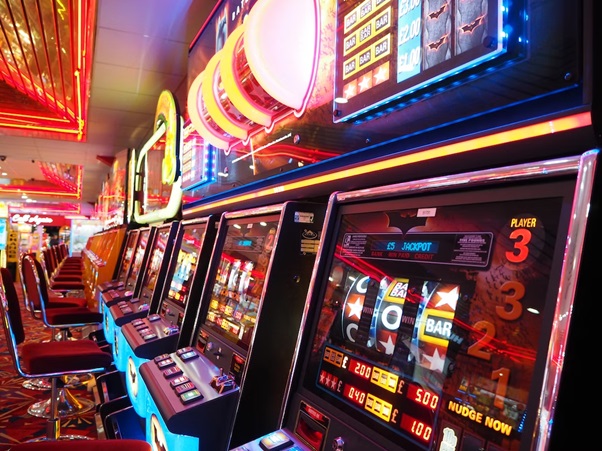
This uncertainty is not merely a byproduct of the games; it is a meticulously crafted element designed to keep players engaged. Casinos employ various strategies to amplify this feeling, such as bright lighting, engaging sounds, and vivid colors that create an immersive environment. The layout of the casino is often designed to keep players in a state of continuous engagement, where they are drawn from one game to another. Players may become so engrossed in the action that they lose track of time, as the draw of the unknown captivates their focus and distracts them from the passage of time and the potential losses they may incur. This sensory overload can lead to a state of flow, where players are fully absorbed in the moment.
Moreover, this thrill often leads to riskier behavior. Gamblers may convince themselves that their luck will change or that they can predict the next outcome based on their previous experiences. This cognitive bias, known as the “gambler’s fallacy,” illustrates how people may irrationally believe that they can influence random events. They may think that after a series of losses, they are “due” for a win, leading them to continue gambling in the hope of recouping their losses. Unfortunately, this mindset can perpetuate a cycle of gambling despite adverse results, leading to further engagement in the casino environment fueled by the hope of an imminent win.
The Role of Reward Systems
The functioning of reward systems in the brain plays a significant role in casino gambling. The anticipation of winning activates the brain’s reward center, releasing dopamine, a neurotransmitter associated with pleasure and gratification. Each win, however small, reinforces the behavior, creating a positive feedback loop that encourages continued gambling. This neurological response explains why players often chase losses—they are driven by the brain’s desire for more reward and can become addicted to the fleeting highs of their winnings. The brain essentially becomes wired to seek out these rewards, making the act of gambling increasingly compelling over time.
In addition to immediate monetary rewards, casinos deploy various promotional tactics that help to fortify this cycle of reward. Many establishments offer loyalty programs, comp points, or free play incentives to encourage repeat visits. The perception of earning rewards adds a layer of allure for gamblers who may feel as though they are ‘winning’ in more than just monetary terms. Even small wins can trigger a sense of fulfillment, reinforcing the idea that continued play will eventually lead to bigger rewards. This strategy effectively keeps players returning, as they associate the casino environment with positive experiences and rewards, despite the inherent risks of gambling.
Furthermore, the social aspect of casino gambling can amplify these reward systems. Players often interact with others in high-energy settings, sharing in both wins and losses. The camaraderie experienced in this environment can enhance the pleasure derived from gambling, as individuals celebrate wins together, creating a sense of belonging. This phenomenon illustrates how the convergence of social interaction and individual psychology promotes continued gambling behavior, intertwining social rewards with the thrill of risk-taking. The shared excitement among groups can amplify individual feelings of reward, making the gambling experience even more enticing.
Cognitive Dissonance and Rationalization
Cognitive dissonance occurs when an individual’s beliefs are challenged by their actions, often leading them to rationalize their choices to maintain a sense of consistency. In the context of gambling, players may experience dissonance after experiencing losses but choose to rationalize their continued play. They might convince themselves that they have a winning strategy or that they are ‘due’ for a win, despite evidence to the contrary. This mental gymnastics allows them to alleviate the discomfort of acknowledging their losses, thus perpetuating their gambling habits. The internal conflict can lead to further investment in gambling as they seek to validate their decisions.
This rationalization can be seen in many forms, including the belief that certain rituals or superstitions can influence outcomes. For instance, players might wear lucky clothing or follow specific routines before placing bets, attributing their wins to these behaviors. Such beliefs provide comfort and reinforce their engagement with gambling while allowing them to sidestep the harsh reality of their financial situation. This cognitive dissonance often leads individuals deeper into the gambling cycle, as they continue to seek validation for their choices. The need to justify their actions can create a barrier to recognizing the potential negative consequences of gambling.
Moreover, this phenomenon is not restricted to individual gamblers; it can also extend to groups. Casinos often benefit from creating an environment filled with stories of winners, fostering the narrative that everyone has a chance at success. This psychological marketing strategy leverages cognitive dissonance, as individuals who lose see others winning, reinforcing their belief that they can share in that success. The continuous reinforcement of these narratives contributes to a culture of gambling that thrives on both individual and collective rationalizations, creating an environment where players feel justified in their continued participation despite mounting losses.
The Impact of Environment on Behavior
The physical environment of a casino is carefully designed to influence behavior and decision-making. From the arrangement of slot machines to the sound of jingling coins and colorful displays, every aspect of a casino is tailored to enhance sensory stimulation and prolong the gambling experience. This immersive environment can result in altered perceptions of time and money, with players often losing track of how much they are spending and how long they have been playing. The deliberate absence of windows and clocks can disorient players, further contributing to a sense of timelessness that encourages prolonged gambling sessions.

Additionally, the layout of casinos promotes a sense of excitement and encourages players to gamble beyond their means. Games are often situated in high-traffic areas, enticing players to try their luck as they pass by. The placement of games and the flow of the casino floor are designed to maximize exposure and encourage impulsivity. The lack of clocks and windows creates a disorienting experience, detaching people from reality and their external obligations. This intentional design can lead to extended gambling sessions, as players become engrossed in the environment without a clear awareness of their limits. The combination of sensory overload and strategic layout can significantly alter decision-making processes.
The social dynamics within a casino also play a significant role. The collective energy of the crowd, the cheers of winners, and the buzz of excitement can create a compelling atmosphere that encourages participation. Witnessing others win can instill a sense of urgency and possibility, prompting even hesitant gamblers to join in. The presence of enthusiastic players can create a contagious excitement that lures others into the fold. This environment reinforces the notion that gambling is an exhilarating and social event, pushing individuals to engage more deeply than they might in a more subdued setting. Ultimately, the environment significantly shapes individuals’ gambling behaviors, often leading them to make decisions they would not consider otherwise.
Understanding Gambling Through Resources and Education
For those seeking to better understand the psychology behind casino gambling, numerous resources and educational materials are available to shed light on these complex behaviors. Many organizations focus on responsible gambling practices and offer support for individuals struggling with gambling addiction. Education plays a crucial role in raising awareness about the psychological mechanisms at play, helping gamblers recognize the signs of problematic behavior and empowering them to make informed decisions. By understanding the factors that contribute to gambling patterns, individuals can take proactive steps to mitigate risks.
Additionally, websites and forums dedicated to gambling psychology can serve as valuable tools for those looking to explore the intricacies of their gambling habits. These platforms provide insights from experts and community discussions that highlight personal experiences, offering a broader understanding of the motivations and challenges faced by gamblers. Engaging with such resources can foster a more profound comprehension of one’s relationship with gambling and provide guidance on maintaining balance. The exchange of experiences can also create a sense of community among individuals with similar struggles.
As new research continues to emerge, the understanding of gambling psychology evolves, fostering a more nuanced perspective on the motivations behind gambling behaviors. Staying informed through credible sources helps individuals navigate their experiences and make choices that align with their best interests. Resources that educate players not only contribute to individual awareness but also promote a more responsible gambling culture overall. Encouraging healthy conversations about gambling habits can lead to better outcomes for individuals and communities, supporting a balanced approach to this popular form of entertainment.