The Attraction of Casino Environments
The ambiance of a casino is meticulously crafted to draw in visitors and immerse them in a dynamic experience. Bright lights, engaging sounds, and vibrant decorations work in unison to stimulate the senses, encouraging players to lose track of time and reality. This careful orchestration of sensory elements aims to evoke feelings of excitement and anticipation, which are crucial emotional triggers in the gambling experience. Many casinos also offer online gaming options, including online pokies , enhancing player engagement and providing additional ways to enjoy the thrill of gaming.
In addition to the sensory overload, the social aspect of gambling plays a significant role in its appeal. Many individuals do not visit casinos solely to gamble; they are also looking to engage in a shared experience with friends or even with strangers. The camaraderie built around table games fosters connection and enjoyment, enhancing the overall experience. This social dimension is often underappreciated but is crucial in understanding why certain individuals are drawn to casinos repeatedly. The interaction and shared excitement of winning or losing create lasting memories and bonds.
The psychology of escapism is another essential element influencing why individuals frequent casinos. For many, the casino represents a temporary haven from the stresses of everyday life. The thrill of playing games can serve as a form of distraction, allowing individuals to lose themselves in a world where the outcome is uncertain yet filled with potential. This escape is particularly alluring, as the combination of hope, risk, and the prospect of significant rewards creates a compelling narrative that many find irresistible, beckoning them to return time and again.
The Role of Reward Mechanisms
Understanding the psychological triggers that casinos leverage can shed light on the addictive potential of gambling. One significant mechanism at play is the reward system, which is meticulously calibrated to maximize player engagement. Casinos utilize techniques such as variable-ratio reinforcement, where players receive rewards at unpredictable intervals, keeping them hooked and eager for more. This unpredictability fosters excitement and a sense of urgency, compelling players to continue betting, convinced that the next big win is just around the corner.
The release of dopamine associated with winning is another critical factor in the psychological landscape of gambling. Each time a player wins, their brain releases feel-good chemicals that create feelings of pleasure and satisfaction. This biochemical response reinforces the behavior, leading players to chase further wins, often at the expense of their financial stability and overall well-being. Recognizing this reaction can illuminate why some individuals find it challenging to walk away from the tables, as the desire for that next dopamine hit becomes a driving force.

Furthermore, the strategic placement of rewards within the casino environment can manipulate player behavior in subtle yet powerful ways. For instance, near-misses, where players come tantalizingly close to winning, can create a false sense of achievement. This phenomenon compels players to keep trying, as they may believe that success is just within reach. Casinos excel at recognizing and exploiting these psychological insights, making it vital for players to understand the underlying mechanisms that can lead them astray.
The Influence of Cognitive Biases
Cognitive biases significantly shape how players perceive their chances of winning and can contribute to problematic gambling behaviors. One of the most prevalent biases is the illusion of control, where players convince themselves that they can influence the outcome of games that are fundamentally based on chance. This belief can lead gamblers to make irrational decisions, continuing to bet in the hope of a win even when the odds are not in their favor. Recognizing this bias is essential for gamblers who wish to make informed choices about their play.
Another common cognitive bias is the availability heuristic. Players often recall their wins more vividly than their losses, leading them to overestimate their chances of winning in the future. This distorted perception can create a cycle of ongoing play, as gamblers cling to the belief that they are on the verge of a significant win. Additionally, marketing tactics that emphasize success stories of others amplify this bias, painting a misleading picture of gambling as a straightforward path to wealth.
Confirmation bias also plays a critical role in the gambling mindset. When players focus solely on information or outcomes that support their beliefs about their luck or skill, they tend to disregard contradictory evidence. This selective attention can create a dangerous feedback loop, where players justify their continued gambling despite experiencing considerable losses. Acknowledging these cognitive biases is crucial for gamblers aiming to cultivate a realistic understanding of their behavior and its potential consequences, ultimately aiding them in making better choices.
The Emotional Rollercoaster of Gambling
Gambling evokes a wide range of emotions, and understanding this emotional landscape is vital to comprehending the psychology of casino games. The highs associated with winning can create euphoric sensations, while losses can lead to feelings of frustration and despair. This emotional volatility is not merely part of the gambling experience; it also serves to forge a deeper bond between players and their chosen games. Each moment spent at the gaming table becomes infused with anticipation, transforming the act of gambling into a potent source of emotional engagement.
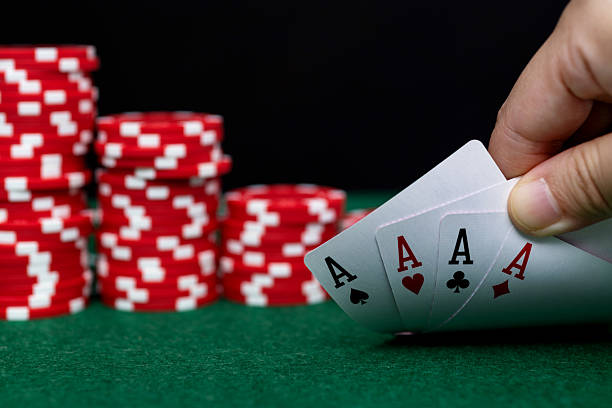
Some players may even seek out the emotional highs from gambling as a coping mechanism for stress or personal challenges. This relationship can lead to a cycle of dependency, where the gambler feels compelled to chase the thrill of the game to manage their emotions. Unfortunately, this can spiral out of control, resulting in significant financial and emotional distress. Understanding the connection between emotional regulation and gambling behavior is essential for those who may be at risk, as it highlights the importance of addressing underlying issues rather than relying solely on gambling for relief.
The social environment of casinos can further amplify emotional responses. The atmosphere of shared highs and lows, particularly in communal games, can intensify feelings of excitement or disappointment. The reactions of other players—whether cheers of victory or groans of defeat—contribute to the emotional climate of the game, making it even more engaging and immersive. This shared emotional experience can deepen players’ entrenchment in their gambling habits, enhancing the psychological grip of the casino environment and making it harder to break free from the cycle of play.
Learn More About Casino Psychology
If you are interested in exploring further into the psychology behind casino games, numerous resources can provide valuable insights into this intricate subject. Articles, books, and documentaries can offer a wealth of information about the emotional, cognitive, and social factors that influence gambling behavior. Furthermore, many organizations are dedicated to supporting individuals grappling with gambling addiction, emphasizing the importance of awareness and education in navigating the complexities of the casino world.
Engaging in discussions or forums related to gambling can also enhance understanding and foster a sense of community among those curious about the psychology of gaming. Sharing personal experiences and insights can be beneficial, as it encourages awareness and promotes healthier gambling practices. Acknowledging the psychological factors at play can empower individuals to make informed decisions regarding their gambling activities, enhancing their overall experience.
Ultimately, a deep understanding of the psychology behind casino games equips individuals with the knowledge necessary to approach gambling responsibly. By recognizing the emotional and cognitive influences at play, players can make informed choices, enjoying gaming as a form of entertainment while minimizing the risk of falling into harmful patterns. Prioritizing safety and well-being is crucial when engaging in any form of gambling, allowing players to savor the thrill while maintaining control over their actions.